Plato’s Trial of Athens
This post was published 7 years ago. Download links are most likely obsolete. If that's the case, try asking the uploader to re-upload.
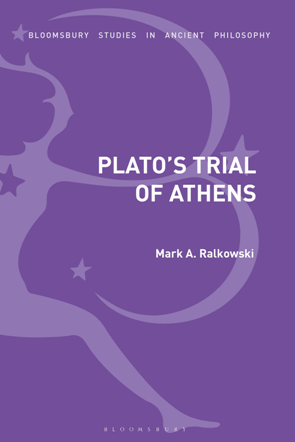
English | 2018 | ISBN: 1474227244 | 246 Pages | PDF | 13 MB
What can we learn about the trial of Socrates from Plato's dialogues? Most scholars say we can learn a lot from the Apology, but not from the rest. Plato's Trial of Athens rejects this assumption and argues that Plato used several of his dialogues to turn the tables on Socrates accusers: they blamed Socrates for something the city had done to itself. Plato wanted to set the record straight and save his city from repeating her worst mistakes of the 5th century.
Plato's Trial of Athens addresses challenging questions about the historicity of Plato's dialogues, and it traces Plato's critique of Athenian public life and polis culture from the trial in 399 up through the Laws and the Atlantis myth in the Critias and Timaeus. In the end, Ralkowski shows that what began as a bitter response to the unjust, politically-charged trial of Socrates, evolved into a pessimistic reflection on the role of philosophy in a democratic society, a theory about Athens 5th century decline, and cautionary tale about the corrupting influences of naval imperialism.
Quick check before we show the links
Helps us keep automated scrapers from hammering the filehosts.