Product Envisioning Overview with Jenny Stuart
This post was published 6 years ago. Download links are most likely obsolete. If that's the case, try asking the uploader to re-upload.
Mp4 | Video: h264, 1920x1080 | Audio: AAC, 48 KHz, 2 Ch | 1h 10m | 1.34 GB | Genre: eLearning | Language: English
Overview
The first step in effectively envisioning your product is focusing on users and business outcomes. Impact mapping lets you determine and provide the most important benefits (impacts) to the business—to make sure you’re building the right thing! By collaborating to answer only four questions described by this course, senior technical and business people can provide a simple visualization of your product’s scope that leads everyone clearly back through impacts and actors to the business’s goals. This course will also show you how to quantify the goals revealed by your impact mapping.
Organizations lacking a clear product vision struggle because people aren’t aligned on what they think is important. Your product vision should reflect the aspirations and values of your organization and product, and it should also present an image of what success looks like. You’ll learn what makes a good product vision and multiple techniques for creating one, including the elevator pitch, the product box, and Lean Canvas. You’ll also see that impact mapping gives you a huge head start on creating effective product visions and road-mapping your product.
Problems Addressed
Your instructor—Jenny Stuart—has designed this course to help you deal with common problems that consume your team’s creativity and energy:
* An unclear product vision is causing confusion and/or conflict between stakeholders and the delivery team.
* An unclear product vision is elongating the schedule because people can’t focus on what’s most important to deliver first.
* Because the business problem/need isn’t clear to everyone, each person has a different image of success and the project is swinging from one goal to another.
* Because the business problem/need isn’t clear to everyone, a long list of features is reducing the team’s ability to find a truly creative solution to the problem.
Benefits
After you complete this course, you’ll be able to:
* Build impact maps to align the functionality you’re building with clear business outcomes
* Create multiple forms of a product vision to aligns teams and stakeholders for your software/product/system
* Use impact maps to inform your product vision and product roadmaps
Who Is This Course For?
This course is for teams, leadership, and stakeholders who want to ensure alignment and build plans based on business outcomes and a clear vision.
Related Courses
As teams approach the next level of planning, they will need to answer questions like “What am I going to get?” and “When am I going to get it?” Agile Release Planning describes a lightweight seven-step process for doing effective—and appropriate—Agile planning at the release and project levels. The product-envisioning artifacts you learn to create in Product Envisioning Overview are inputs into that process.
With sections designed specifically for the delivery team and for the leadership team, Agile Planning and Estimation uses a multiple-audience approach that leads to improved communication between the engineering and business sides of the company. Both teams gain insights by seeing the bigger picture, including the planning and estimation techniques used by each team.
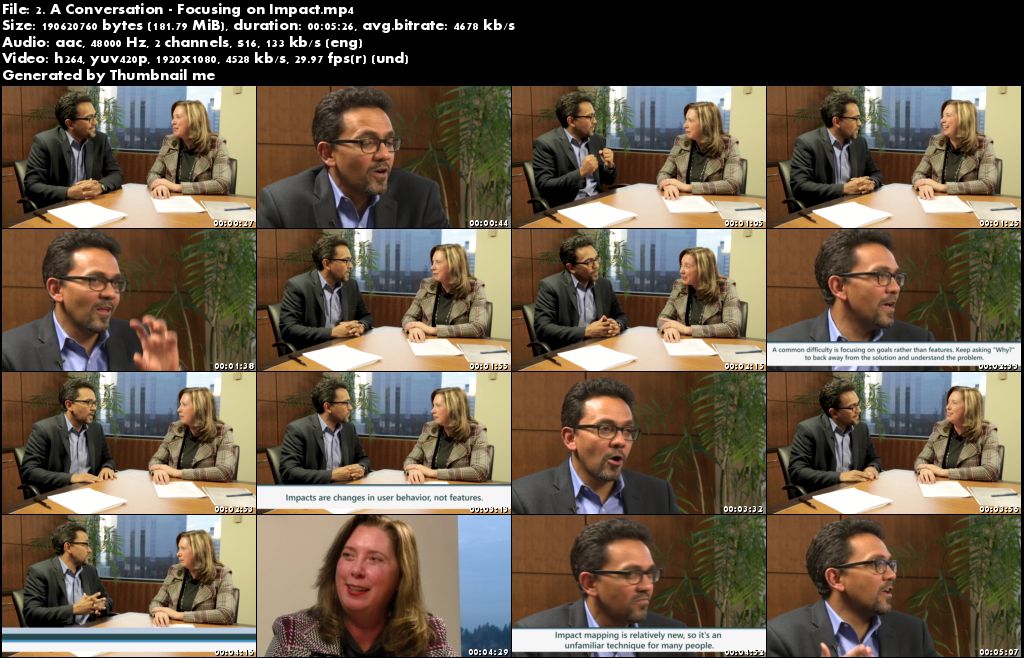
Screenshots
Quick check before we show the links
Helps us keep automated scrapers from hammering the filehosts.